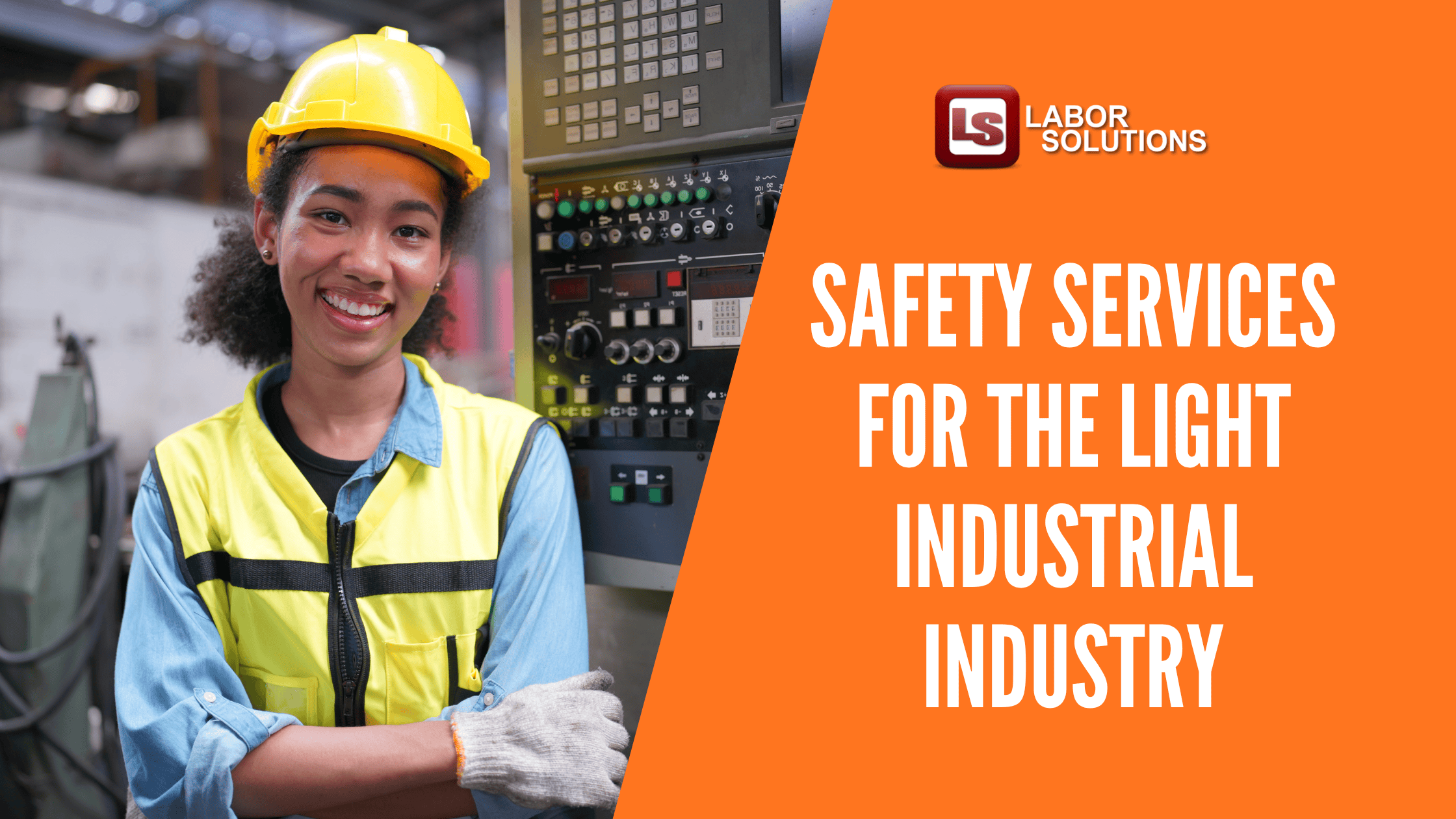
In light industrial workplaces-like packaging, fulfillment, printing, assembly, and manufacturing-work moves fast. The hazards can move fast, too. One mistake can lead to injuries, downtime, and workers’ comp claims. It can also throw off schedules and customer orders. That’s why smart employers treat safety services as part of how they run the business, not just a checklist.
If you use contingent labor, the need is even bigger. Temp worker safety depends on clear rules, steady supervision, and a partner who helps keep everyone on the same page across different shifts and job tasks. When safety is built into the staffing relationship, you protect people and your reputation.
Safety keeps production running
Light industrial risks are not theoretical-they are right on the floor. They include unguarded machine parts, lifting and moving materials, repeat motion that can cause strains, and busy aisles where people and equipment share space. When hazards are missed or ignored, the costs add up fast: stop-work events, rework, missed shifts, turnover, and a culture where workers stay quiet instead of speaking up.
The better approach is proactive: watch the work, find the risks early, and follow through. Strong safety programs also need a team that can respond when something changes or a problem comes up.
What strong Safety & Compliance support looks like
At Labor Solutions, Safety & Compliance is built to give practical, site-level support that fits real operations. The goal is straightforward: lower risk while keeping production moving. Here are key parts of a safety approach that works in light industrial settings.
1) Worksite evaluations that show what’s really happening
Written policies alone don’t prevent injuries. Seeing the work does. With worksite evaluations and safety observation walks, risks become easier to spot and easier to fix. Clients have shared how these observations helped them make targeted improvements, including finding conditions around equipment that were causing repeat issues and lining up preventive steps that fit the workflow.
2) Risk assessment services that lead to real fixes
Good risk assessment services do more than list hazards. They help decide what to do next: which tasks need better machine guards, which steps need a safer process, where signs or floor markings should be improved, and what behaviors need coaching. In light industrial work, small changes can make a big difference when they focus on the highest-risk, most frequent tasks.
3) OSHA consulting and staffing agency compliance that support your team
Many employers need help meeting safety requirements while still hitting production goals. OSHA consulting in a light industrial setting means turning rules into clear, repeatable actions-like guarding expectations, PPE use, and training records. It also supports staffing agency compliance by helping define safety responsibilities, keep communication consistent, and reinforce safe practices across a blended workforce.
4) Safety training that stays consistent over time
Training that only happens on day one is not enough. Strong programs keep safety front and center. Clients have highlighted the value of regular safety talks and training that fits the pace of the operation, including pre-shift sessions that keep topics fresh and relevant. One client described starting monthly safety talks after seeing minor strains and lacerations-and then seeing injuries drop once the program became routine.
This is what good safety training looks like: frequent, focused, and connected to real job tasks.
5) Quick, practical improvements on the floor
When hazards are clear, corrective actions should be direct. Clients have cited Labor Solutions’ support with hands-on improvements such as:
- Adding safety guards on guillotine machines and drill presses
- Reinforcing safety-glasses use in the right areas
- Introducing safety gloves where cut/contact risks are higher
- Recommending safer, cost-effective materials when needed (including production consumables)
These kinds of changes reduce risk without slowing the line.
6) Support and documentation when things change
Safety support matters most when something changes-a new process, a busy season, an unexpected incident, or a last-minute staffing need. Clients have praised fast help, strong availability, and well-organized documentation that makes it easy to pull needed safety information quickly. That kind of responsiveness builds trust and keeps supervisors focused on safe production.
Why this matters for temp worker safety
Temporary and seasonal teams often step into high-volume tasks under time pressure. A consistent safety approach helps workers start strong and lowers the risk of early incidents. When safety expectations are clear-and reinforced through observation, coaching, and training-workers feel supported, and supervisors get a steadier, more confident team.
Make safety your advantage
Safety is one of the best ways to improve overall performance: fewer injuries, less downtime, better retention, stronger morale, and smoother audits. If you want safety services built for light industrial work-with real worksite evaluations, actionable risk assessment services, ongoing safety training, and support for OSHA consulting and staffing agency compliance-Labor Solutions can help.
When you protect people, you protect production. Let’s build a safer, more reliable operation together.