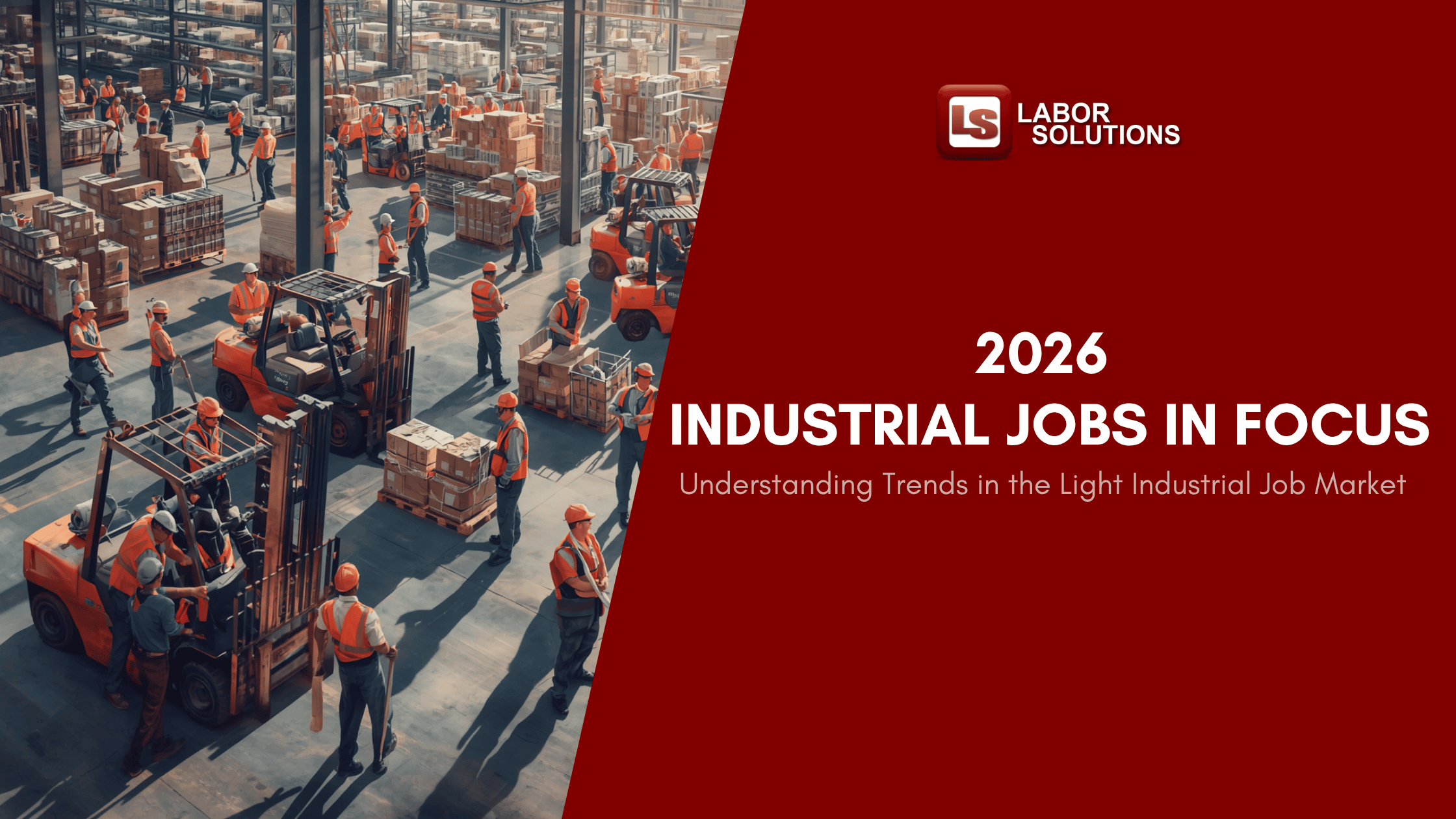
Industrial Jobs in Focus
As the job market continues to evolve, industrial roles remain a cornerstone of economic growth. From manufacturing floors to logistics hubs, businesses are adapting to shifting demands, new technologies, and a changing workforce. In this installment of our Understanding Trends in the Job Market series, we take a closer look at industrial employment—where it’s growing, the skills employers are seeking, and how technology is reshaping the landscape.
1. Growth Areas Within Industrial Employment
Industrial jobs are experiencing steady growth, driven by increased consumer demand, supply chain expansion, and reshoring efforts. Key sectors seeing the most momentum include:
- E-commerce and Distribution: Warehousing and fulfillment centers continue to expand to meet fast delivery expectations.
- Advanced Manufacturing: Automation and precision production are driving demand for skilled workers in modern manufacturing environments.
- Logistics and Transportation: With supply chains becoming more complex, roles in shipping, receiving, and inventory management are on the rise.
Seasonal demand also plays a significant role, especially in logistics and manufacturing, where businesses need flexible workforce solutions to scale up quickly. This growth creates opportunities for both entry-level workers and experienced professionals looking to advance in industrial careers.
2. Skills in Demand for Industrial Jobs
Today’s industrial workforce requires more than just physical capability. Employers are increasingly prioritizing a mix of technical and soft skills, including:
- Technical Proficiency: Familiarity with machinery, warehouse management systems, and basic automation tools.
- Adaptability: The ability to learn new processes and adjust to evolving technologies.
- Attention to Detail: Critical for maintaining safety standards and ensuring product quality.
- Reliability and Work Ethic: Consistent attendance and strong performance remain essential.
- Safety Awareness: Knowledge of workplace safety practices, including OSHA standards, is highly valued.
Upskilling and training are becoming essential for workers who want to stay competitive. Employers are also investing more in training programs to bridge skill gaps and improve retention.
3. The Role of Technology in Transforming Industrial Jobs
Technology is rapidly transforming industrial workplaces, making them more efficient—but also more complex. Some of the biggest changes include:
- Automation and Robotics: Machines are taking over repetitive tasks, allowing workers to focus on higher-value responsibilities.
- Data and Analytics: Real-time tracking systems improve inventory management and operational decision-making.
- Digital Tools: From handheld scanners to workforce management software, technology is now embedded in daily operations.
While some fear that technology may replace jobs, the reality is that it is reshaping them. Many roles now require a combination of technical knowledge and hands-on skills, creating new opportunities for workers willing to adapt.
Why This Matters—and How Labor Solutions Can Help
Understanding these trends is critical for both employers and job seekers. Businesses need to stay ahead of workforce demands to remain competitive, while workers must continue developing skills to succeed in a changing environment.
Labor Solutions helps bridge this gap by providing reliable staffing services tailored to the industrial sector. Whether you’re an employer looking to scale your workforce or a job seeker exploring new opportunities, our team offers the expertise and support you need to navigate today’s job market.
Take the Next Step
Staying informed is just the beginning—taking action is what sets you apart.
Contact Labor Solutions today to learn how we can support your hiring needs or help you find your next opportunity in the industrial job market.